
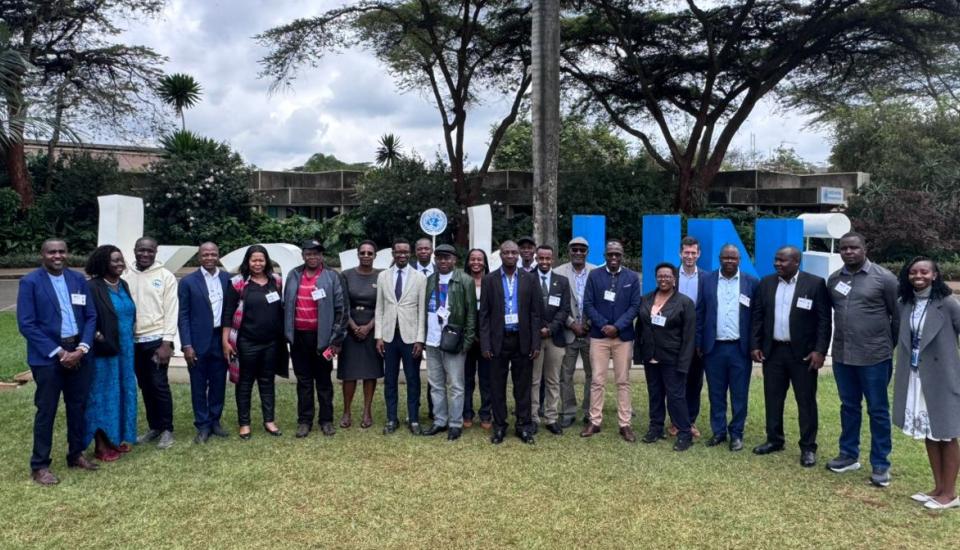
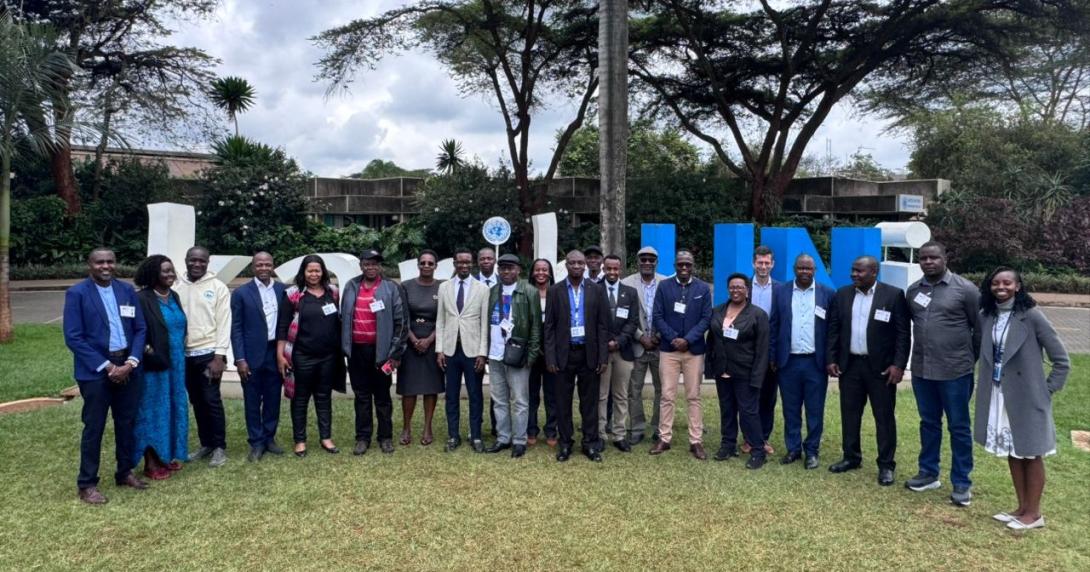
The East African Centre of Excellence for Renewable Energy and Efficiency (EACREEE), represented by Mr Collins Owuor, participated in two key events organised by the United Nations Environment Programme’s United for Efficiency (UNEP-U4E) and the United Nations Industrial Development Organisation. The events, held alongside the Thirty-Seventh Meeting of the Parties (MOP37) to the Montreal Protocol in Nairobi, Kenya, focused on accelerating the adoption and implementation of energy-efficient and climate-friendly cooling appliances in the East African Community. Held under the main theme of the week, “Scaling Up Energy-Efficient Cooling Appliances in Africa,” with the workshop sub-theme “Pathways and Partnerships for National MEPS Adoption,” the session convened government representatives, technical experts from various partner states and development partners. The discussions aimed to strengthen national efforts to adopt regionally harmonised Minimum Energy Performance Standards for air conditioners and refrigerators in the EAC.
In his opening remarks, Mr Owuor highlighted the next steps following regional harmonisation, underscoring opportunities to advance regionally harmonised minimum energy performance standards for cooling across the East African Community, targeting room air conditioners and household refrigerators. He emphasised the importance of sustained support to ensure domestication and adoption of the MEPS across all eight Partner States. This regional approach is anticipated to usher in a new era which eliminates the proliferation of inefficient cooling products from markets, lowers energy costs and contributes towards climate protection. He reaffirmed EACREEE’s commitment to working with partner states to mobilise resources necessary for capacity development. These efforts will strengthen national compliance and surveillance capacities, enhance testing and verification infrastructure, promote regional collaboration and coordination through Mutual Recognition Agreements (MRA), support systematic improvement of standards to address prevailing dynamics and raise public awareness.



Latest News
-
WIRE Luncheon Celebrates Sisterhood and Women’s Leadership at CREF 2026 
WIRE Luncheon Celebrates Sisterhood and Women’s Leadership at CREF 2026
-
CCREEE and OLACDE Sign Memorandum of Understanding to Strengthen Regional Energy Cooperation 
CCREEE and OLACDE Sign Memorandum of Understanding to Strengthen Regional Energy Cooperation
-
ECREEE Strengthens the Capacities of Clean Energy SMEs 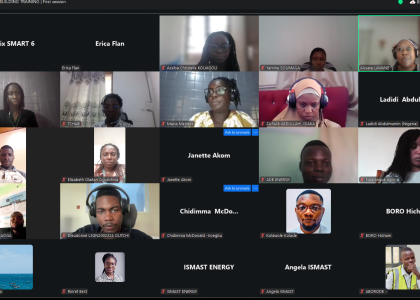
ECREEE Strengthens the Capacities of Clean Energy SMEs
-
ECOCONF Validates Regional Solar PV Certification Framework 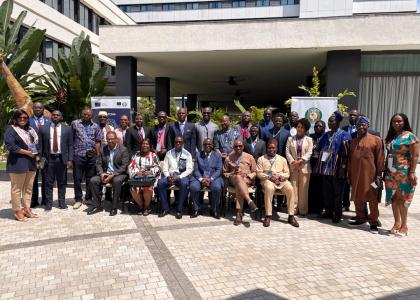
ECOCONF Validates Regional Solar PV Certification Framework
-
ECREEE and Partners Advance Sustainable Food Systems through AGRI-COOL 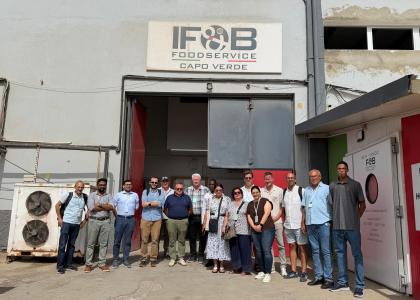
ECREEE and Partners Advance Sustainable Food Systems through AGRI-COOL
-
ECREEE and IEC Explore Opportunities for Cooperation 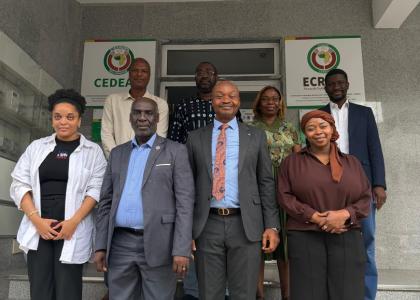
ECREEE and IEC Explore Opportunities for Cooperation
-
Empower Her Future - Call for Role Models 
Empower Her Future - Call for Role Models
-
ECOWAS Concludes Regional Workshop in Lomé on Energy Efficiency Indicators and Data Validation 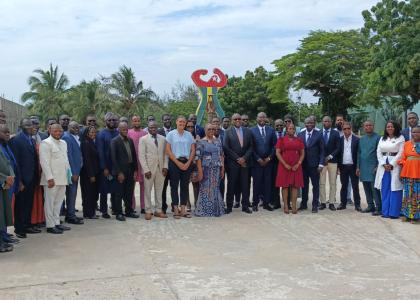
ECOWAS Concludes Regional Workshop in Lomé on Energy Efficiency Indicators and Data Validation
-
ECOWAS Audit Committee Pays Courtesy Visit to ECREEE 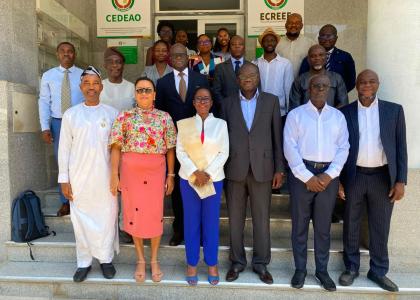
ECOWAS Audit Committee Pays Courtesy Visit to ECREEE
-
ECREEE Promotes Integrated Approach to Sustainable Energy and Water Management in West Africa 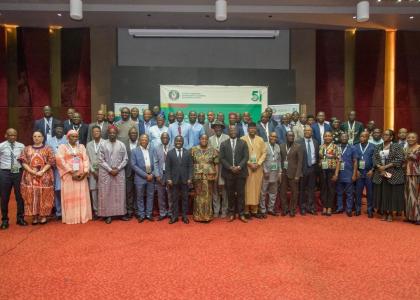
ECREEE Promotes Integrated Approach to Sustainable Energy and Water Management in West Africa
-
ReCCAWA Steering Committee meets in Abuja and adopts the 2026 work plan 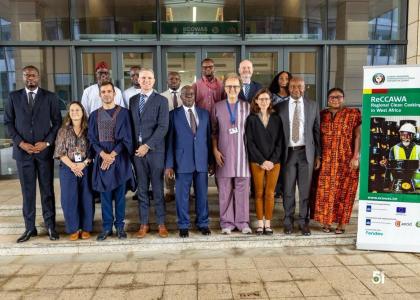
ReCCAWA Steering Committee meets in Abuja and adopts the 2026 work plan
-
The Role of Sustainable Energy Centres in Promoting Climate Resilience, Innovation and Energy Transitions Discussed 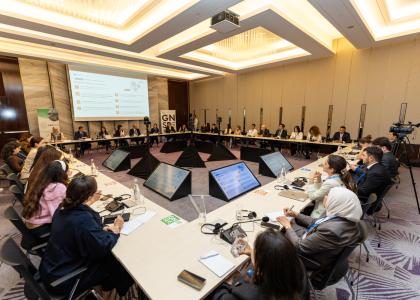
The Role of Sustainable Energy Centres in Promoting Climate Resilience, Innovation and Energy Transitions Discussed