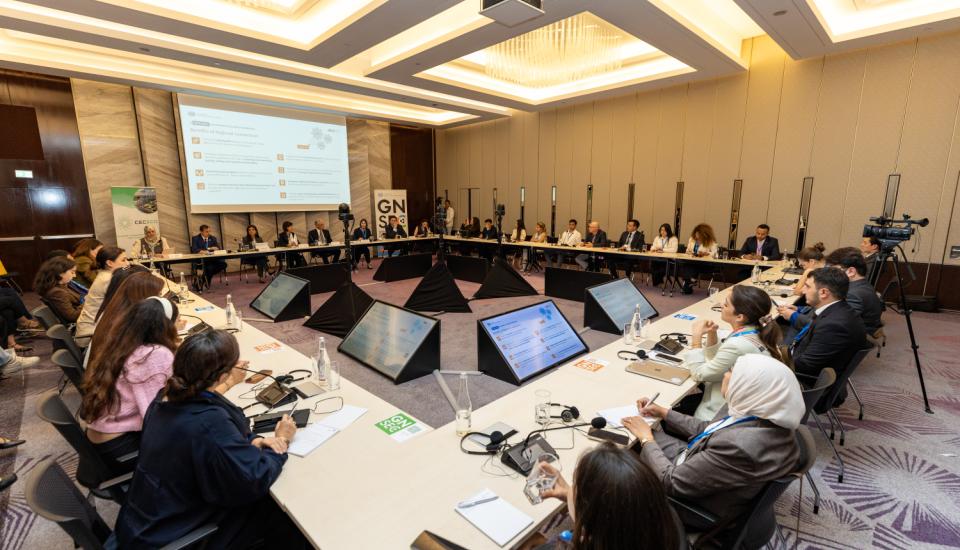
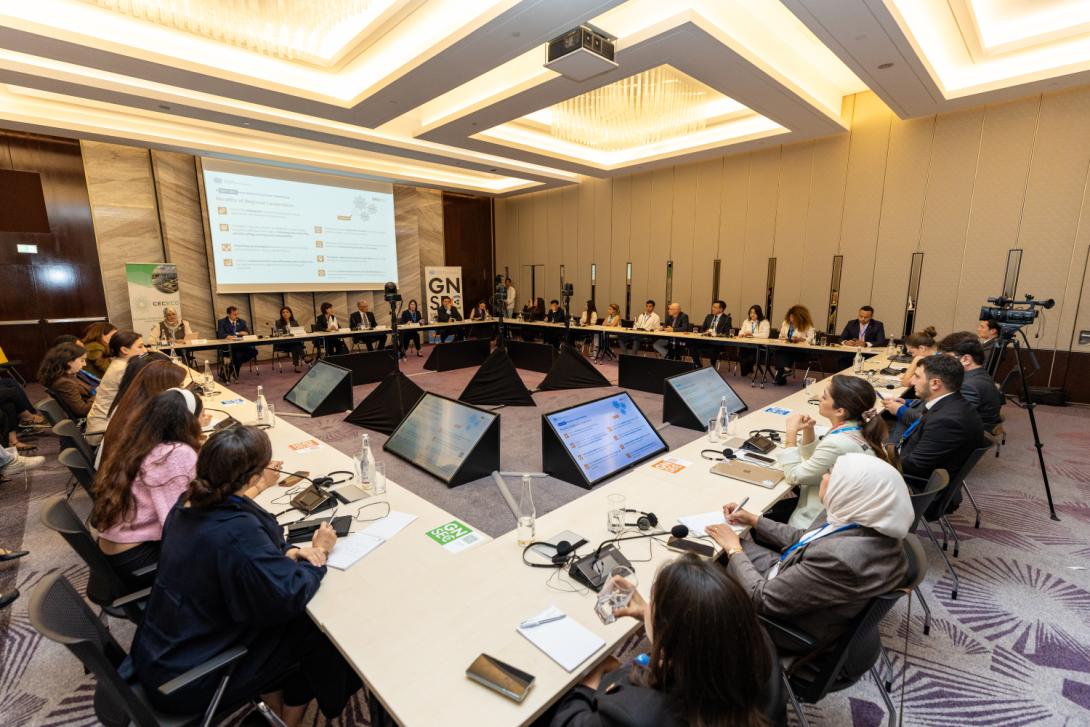
Baku, 10 September 2026 — A Regional Dialogue dedicated to the role of sustainable energy centres in promoting climate resilience, innovation and the energy transition was held in Baku on the sidelines of the Fourth Climate Week of the United Nations Framework Convention on Climate Change (UNFCCC). The event was jointly organized by the Economic Cooperation Organization Clean Energy Centre (CECECO) and the United Nations Industrial Development Organization (UNIDO) Global Network of Regional Sustainable Energy Centres (GN-SEC). The Dialogue addressed issues related to climate resilience, energy transition, renewable energy, energy efficiency and strengthening regional cooperation.
At the opening of the event, Mukhtar Babayev, Representative of the President of the Republic of Azerbaijan on Climate Issues, highlighted the importance of regional cooperation in addressing climate change and accelerating the energy transition. Drawing attention to the different energy systems and development needs of countries across the region, he noted that Sustainable Energy Centres can contribute to addressing common challenges related to technology, financing, knowledge and skills, while accelerating the deployment of innovation and clean technologies. He also expressed Azerbaijan’s support for the development of CECECO as a strong regional implementation platform.
As part of the event, a presentation on the United Nations Industrial Development Organization (UNIDO) Global Network of Regional Sustainable Energy Centres (GN-SEC) and the Global Clean Technology Innovation Programme (GCIP) was delivered by Marinette Gaillon, Project Administrator at UNIDO.
The Chairman of the Board of the International Centre for Green Technologies and Investment Projects (IGTIPC) of Kazakhstan, Saken Kalkamanov, also presented the country’s experience with GCIP. He highlighted energy efficiency as one of the key factors for technological modernization and regional resilience. He noted that the efficient use of energy resources is important for the resilience of the entire Central Asian region.
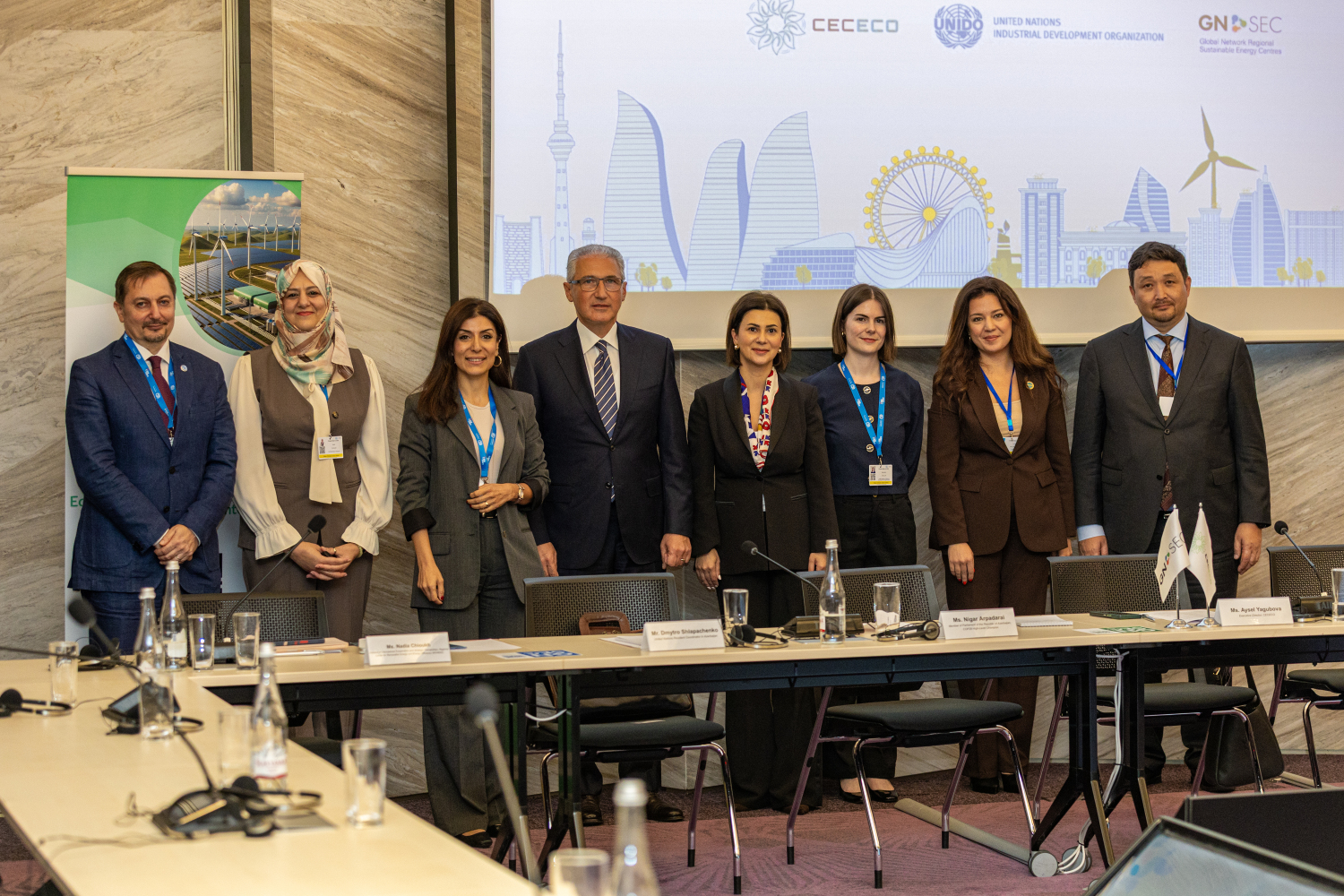
This was followed by a panel discussion on “Strengthening Regional Partnerships for the Energy Transition: Delivering the Sustainable Development Goals through International Cooperation.” The panel brought together Dmytro Shlapachenko, UN Resident Coordinator in Azerbaijan; Nigar Arpadarai, Member of Parliament and COP29 High-Level Champion; Nadia Chioukh, Director of International Cooperation and Strategic Partnerships at the Regional Centre for Renewable Energy and Energy Efficiency (RCREEE); and Aysel Yagubova, Executive Director of CECECO.
Dmytro Shlapachenko highlighted that many aspects of the energy transition require regional cooperation. He particularly emphasized the importance of joint action in renewable energy integration, cross-border energy trade, energy efficiency, technology transfer and climate resilience. Citing the Central Asia–Azerbaijan Green Energy Corridor as an example, he noted that regional cooperation can strengthen energy security, attract investment and contribute to the implementation of concrete projects.
Nigar Arpadarai noted that sustainable energy centres can play an important role not only as platforms for research and training, but also as regional hubs for innovation, technology, investment and cooperation. She noted that these centres can bring together governments, scientific and educational institutions, technology companies, investors and young innovators, and contribute to turning new ideas into solutions that can be deployed in the real economy.
Nadia Chioukh noted the importance of linking regional cooperation with national priorities and practical needs, as well as providing technical support and adopting flexible approaches tailored to the different challenges faced by Member States. She shared the experience of the Middle East region and emphasized the importance of complementing a regional mandate with technical support and flexible approaches to respond to the different challenges faced by Member States in advancing their energy transitions and climate resilience.
Aysel Yagubova highlighted the strategic advantage of the ECO region’s diversity in terms of energy resources, infrastructure and levels of development for regional cooperation. She noted the importance of turning this diversity into practical regional cooperation through the exchange of knowledge, technologies, investment and expertise, as well as developing regional clean energy corridors and interconnected energy markets. She also highlighted the role of a sustainable regional energy centre, TEM, in this process.
The panel discussion provided an opportunity for an exchange of views on climate resilience, the energy transition, the promotion of innovation and strengthening regional cooperation. Participants emphasized the importance of continuing joint action, knowledge exchange and cooperation in these areas.
Share article


Latest News
-
Empower Her Future - Call for Role Models 
Empower Her Future - Call for Role Models
-
ECOWAS Audit Committee Pays Courtesy Visit to ECREEE 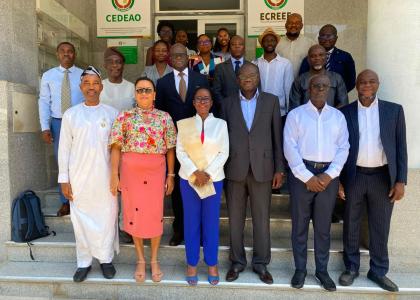
ECOWAS Audit Committee Pays Courtesy Visit to ECREEE
-
ECREEE Promotes Integrated Approach to Sustainable Energy and Water Management in West Africa 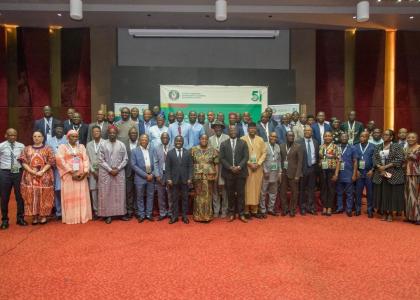
ECREEE Promotes Integrated Approach to Sustainable Energy and Water Management in West Africa
-
ReCCAWA Steering Committee meets in Abuja and adopts the 2026 work plan 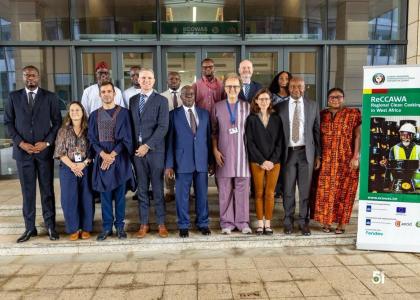
ReCCAWA Steering Committee meets in Abuja and adopts the 2026 work plan
-
Gibson Okezie Obasi Appointed Executive Director of ECREEE 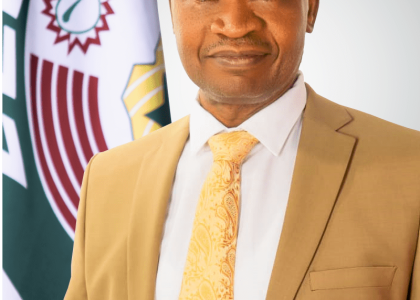
Gibson Okezie Obasi Appointed Executive Director of ECREEE
-
Eswatini to Host the 3rd SADC Sustainable Energy Week: Join Southern Africa’s Premier Sustainable Energy Platform 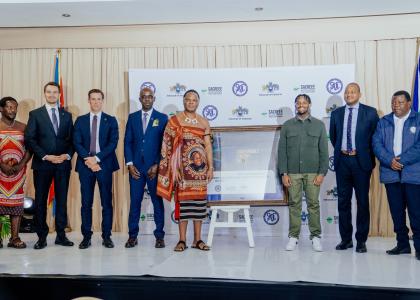
Eswatini to Host the 3rd SADC Sustainable Energy Week: Join Southern Africa’s Premier Sustainable Energy Platform
-
AECID and ECREEE Strengthen Cooperation on the Energy Transition in Food Systems 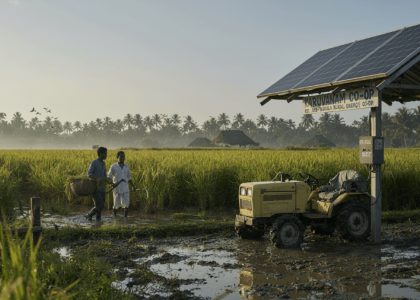
AECID and ECREEE Strengthen Cooperation on the Energy Transition in Food Systems
-
THE COREP OF ECCAS VISITS CEREEAC 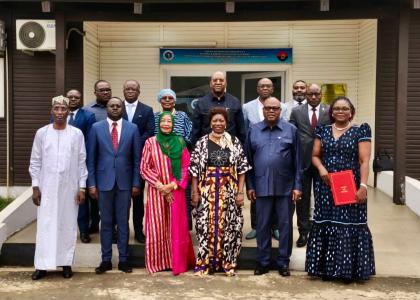
THE COREP OF ECCAS VISITS CEREEAC
-
GN-SEC Featured in UNIDO's Climate Solutions Week Publication 
GN-SEC Featured in UNIDO's Climate Solutions Week Publication
-
ECREEE and ECOWAS Strengthen Cooperation with Cabo Verde on Energy Transition and Regional Integration 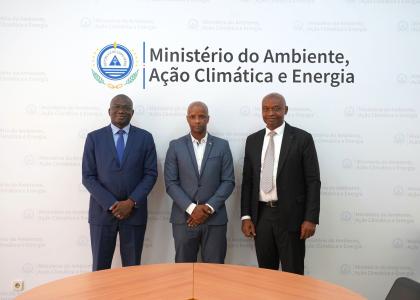
ECREEE and ECOWAS Strengthen Cooperation with Cabo Verde on Energy Transition and Regional Integration
-
GN-SEC ⤬ ICIMOD: Young Professional Programme 
GN-SEC ⤬ ICIMOD: Young Professional Programme
-
Industrial Leaders from Across the EAC Train on Energy Efficiency to Boost Productivity and Reduce Energy Costs 
Industrial Leaders from Across the EAC Train on Energy Efficiency to Boost Productivity and Reduce Energy Costs